In portrait
Faces of Tajima
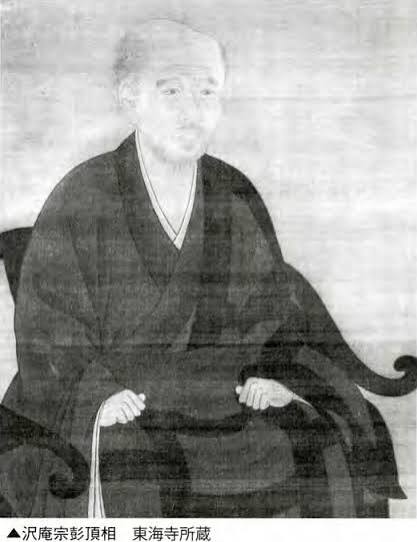
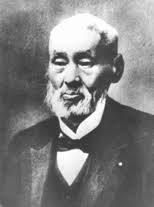
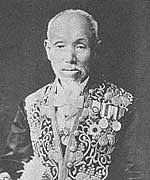
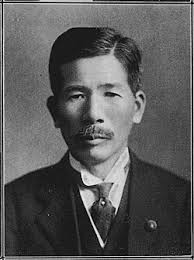
Portraits are historical images based on surviving paintings and photographs.
Home / Warlords & Notables
From a clan that ruled a sixth of Japan to modern reformers
From the rise and fall of the Yamana clan, once styled the 'Lords of a Sixth of Japan,' to the Izushi-born monk Takuan, Tokyo University's first president, and a Diet member who defied the military — the people Tajima has produced.
Muromachi to Sengoku
No account of medieval Tajima is complete without the Yamana clan. In 1363, Yamana Tokiuji submitted to the Muromachi shogunate, and his son Moroyoshi was granted the governorship of Tajima. The clan expanded its holdings across western Japan, at its peak governing 11 of Japan's roughly 66 provinces — enough to earn the nickname "Lords of a Sixth of Japan."
Even after Ashikaga Yoshimitsu curtailed their power, the clan recovered under Yamana Sozen (Mochitoyo). But after Sozen led the Western Army into the Onin War in 1467 and died, the clan entered a long decline.
Two remarkable figures from Izushi
Izushi's best-known native son nationally is the Edo-period Zen monk Takuan Soho (1573–1645). Head priest of Daitoku-ji temple, he was exiled for opposing shogunate interference in religious affairs, later gained the patronage of shogun Tokugawa Iemitsu, and founded Tokai-ji temple in Edo. He is popularly, if not certainly, credited as the namesake of takuan pickled radish.
From the late Edo period into the modern era, Izushi produced scholars and statesmen: Kato Hiroyuki (1836–1916), a leading political theorist who became the first president of Tokyo Imperial University; Sakurai Tsutomu (1843–1931), a governor of several prefectures and a pioneer of Japan's weather-forecasting system; and Saito Takao (1870–1949), a Diet member remembered for his 1940 "anti-militarist speech" openly criticizing the military's political interference, who later served as a cabinet minister.
Figures from Toyooka proper
Toyooka (the former Kyogoku-clan castle town) was the birthplace of Oishi Riku (1669–1736), wife of Oishi Kuranosuke, the chief retainer famed in the Ako Incident (the Chushingura story). Modern Toyooka produced figures across education, engineering and medicine: mining and waterworks entrepreneur Nakae Tanezo (1846–1931); Kubota Yuzuru (1847–1936), education minister and first head of Hiroshima Higher Normal School; Hamao Arata (1849–1925), education minister and president of Tokyo Imperial University; and civil engineer Akagi Masao (1887–1972), a founder of modern erosion-control engineering in Japan.
Timeline
His son Moroyoshi is named governor of Tajima.
The Yamana clan governs 11 of ~66 provinces under Sozen.
Sozen leads the Western Army; the clan later declines.
Later head priest of Daitoku-ji temple.
Hideyoshi's Tajima campaign takes Ariko-yama Castle.
The Izushi-born scholar becomes its first president.
The Izushi-born Diet member is expelled after criticizing the military in parliament.
In portrait
Portraits are historical images based on surviving paintings and photographs.