Toyooka City, Hyogo — History, Art & Food Portal
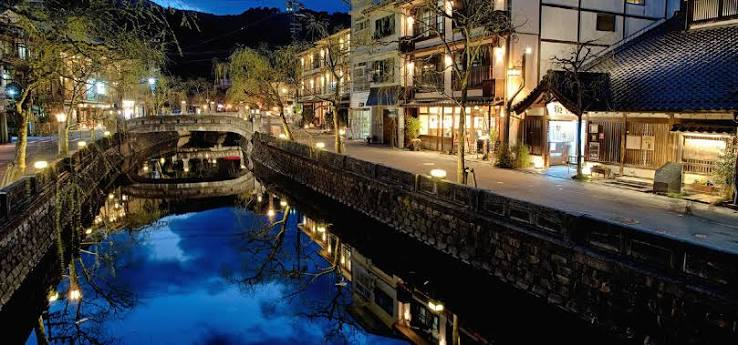
In the small castle town of Izushi, a lord's relocation brought soba noodles from Nagano three centuries ago. A willow-basket craft grew into a world-class bag industry. And a species that vanished from Japan's skies was brought back to life here, one nest at a time. Meanwhile, in the steam of Kinosaki Onsen, a quiet theatre-town movement is reshaping how a small city thinks about culture. This site gathers the "why" behind Toyooka, through three threads: history, art, and food.
Three threads through Toyooka
Today's Toyooka City was formed in 2005 by merging one city and five towns — Izushi, Kinosaki, Takeno, Hidaka (Kannabe), and Tando — each with its own distinct character. That breadth means the region carries layer upon layer of history worth telling: the rise and fall of the Yamana clan and the Izushi castle town; the Kinosaki International Arts Center and Toyooka Theatre Festival, which now draw artists from around the world; and a food culture running from willow-basket-turned-bag industry to Izushi soba, Tajima beef and the Sea of Japan's catch. This site follows all three, with the Oriental White Stork as the region's emblem throughout.
Explore the site
Each page stands on its own — start wherever interests you.
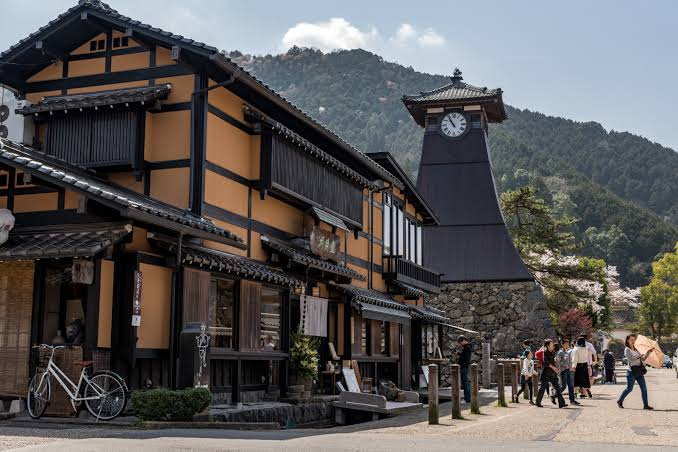
A lord's relocation, a clock tower, and Tajima's only castle town.
Read →From the Yamana clan's rise to monk Takuan and modern-day figures.
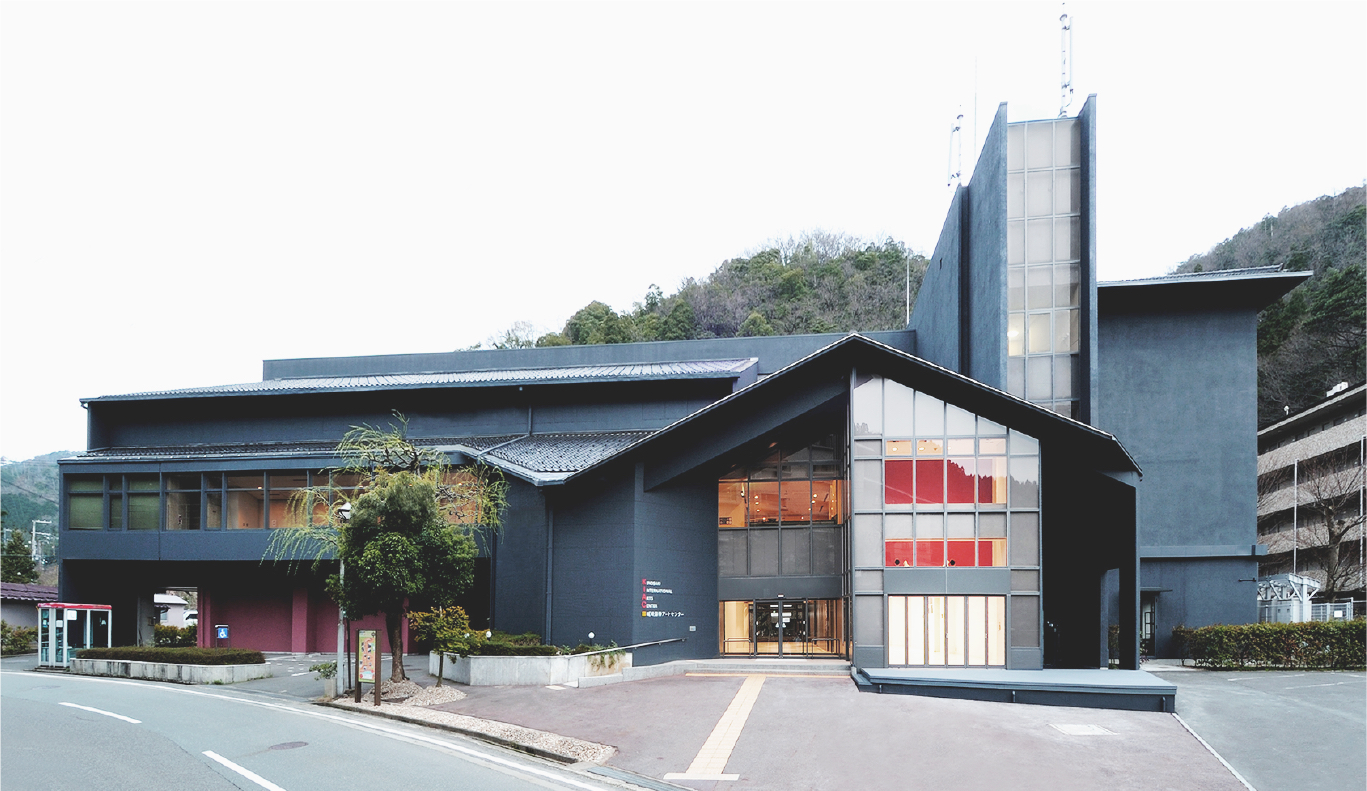
Read →The Kinosaki International Arts Center and Toyooka Theatre Festival.
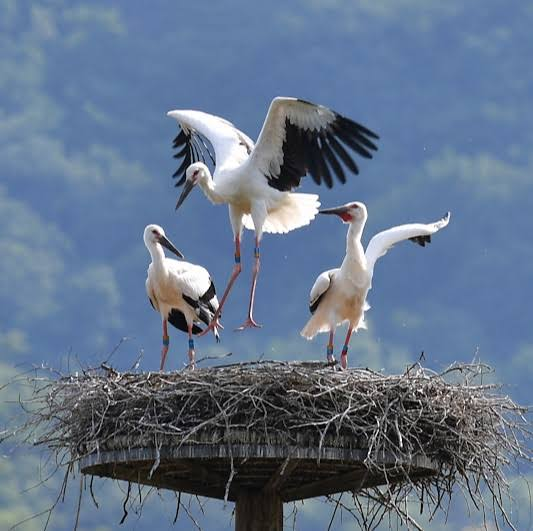
Read →From extinction to reintroduction, and a new kind of farming.
Read →1,200 years of willow basketry, and Japan's bag-making capital.
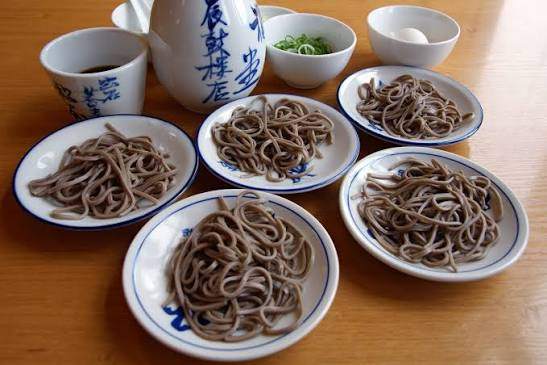
Read →Izushi's plate soba, Tajima beef's wagyu lineage, coastal seafood.
Read →Izushi's castle town and the willow-lined baths of Kinosaki.
Read →Genbudo Cave, Takeno Coast, Kannabe Highlands, the Stork Park.
Read →In pictures
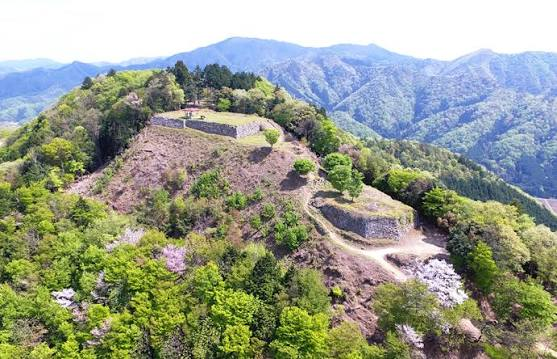
Real photography is not yet available; these are placeholders linking to their related pages.
Overview
Full stories live on each page — this is just the outline.
Under Yamana Tokiuji and Sozen, the clan governs 11 of Japan's ~66 provinces before declining after the Onin War.
Yamana Suetoyo's stronghold is taken, ending the Yamana clan's rule over Tajima.
Koide Yoshihide builds a lowland castle beneath Ariko-yama, founding the town plan that survives today.
Relocated from Ueda domain, Sengoku Masaakira reportedly brought soba artisans with him — the origin of Izushi soba.
Habitat loss and pesticide use bring the last wild Oriental White Stork's death, here in Toyooka.
One city and five towns merge; the first trial release of captive-bred storks into the wild begins the same year.
A former prefectural conference hall is converted into a residency dedicated to the performing arts.