In pictures
Scenes from Izushi
Home / Izushi Castle Town
Tajima's only castle town
A mountain fortress falls, a new lord builds a lowland castle, and a later lord brings soba noodles along with a scandal that shook the shogunate. Here is how a town of fewer than ten thousand people accumulated so much history.
From mountain fortress to lowland castle
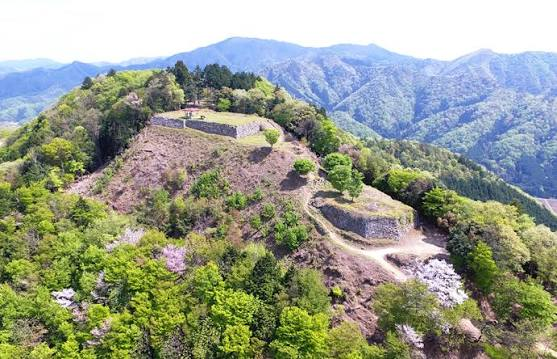
Izushi's story begins with the fall of Ariko-yama Castle, stronghold of the Yamana clan. In 1580, Hashiba Hideyoshi's campaign against Tajima overran the castle held by Yamana Suetoyo, ending centuries of Yamana rule over the region. The mountaintop fortress was rugged and impractical, so in the Edo period a new lowland castle was built below it.
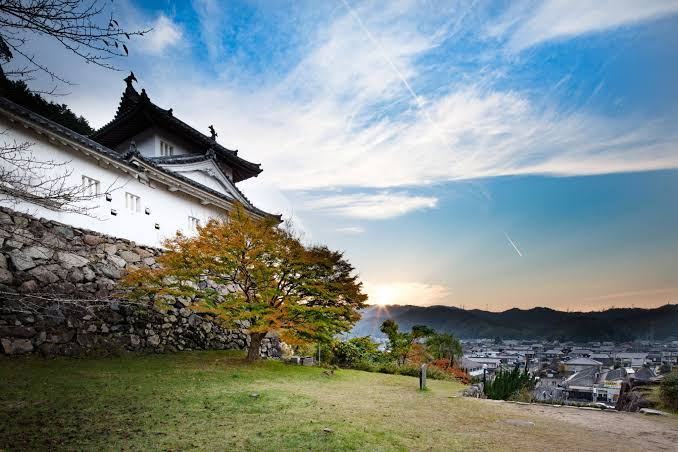
In 1604, the outside lord Koide Yoshihide built Izushi Castle at the southern foot of Ariko-yama and laid out the surrounding town — the grid of merchant streets, samurai residences and temple district still visible today. After the Koide family lost the domain, Sengoku Masaakira arrived from Ueda in Shinano province, and Izushi developed thereafter as a Sengoku-clan castle town.
One of Edo's three great domain scandals
Under the Sengoku clan, Izushi became the stage for a major succession dispute known as the "Sengoku Affair," ranked alongside the Ako Incident (Chushingura) and the Kaga Affair as one of Edo Japan's three great domain scandals. The shogunate's ruling led to a significant reduction of the domain's holdings.
Yet the Sengoku family's arrival also left a lasting culinary legacy: in 1706, Sengoku Masaakira, relocated from Ueda domain, reportedly brought soba artisans from Shinshu with him — the origin, by tradition, of Izushi soba, a dish that has outlasted the domain itself by three centuries.
Rebuilt after fire
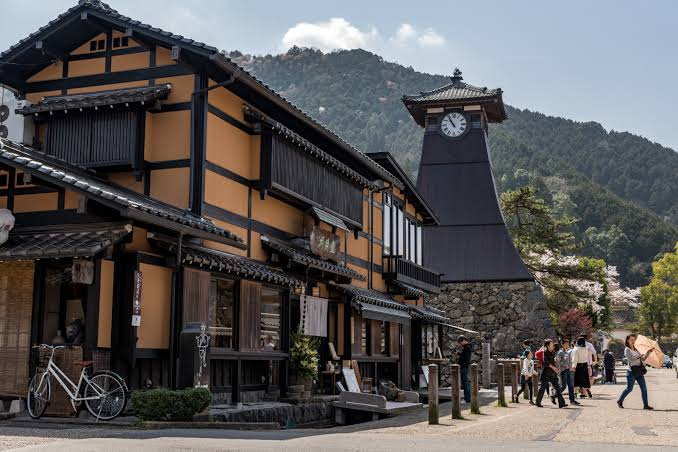
Izushi's remarkably preserved townscape owes an ironic debt to disaster: a great fire in 1876 destroyed more than 80% of the town's buildings. Reconstruction followed the Edo-period street plan recorded in an 1810 map, while the buildings themselves were rebuilt in Meiji-era style — leaving a town whose layout is early-modern and whose architecture is largely Meiji.
The district was designated a Hyogo Prefecture landscape conservation area in 1987, and a nationally Important Preservation District for Groups of Historic Buildings in 2007.
Landmarks
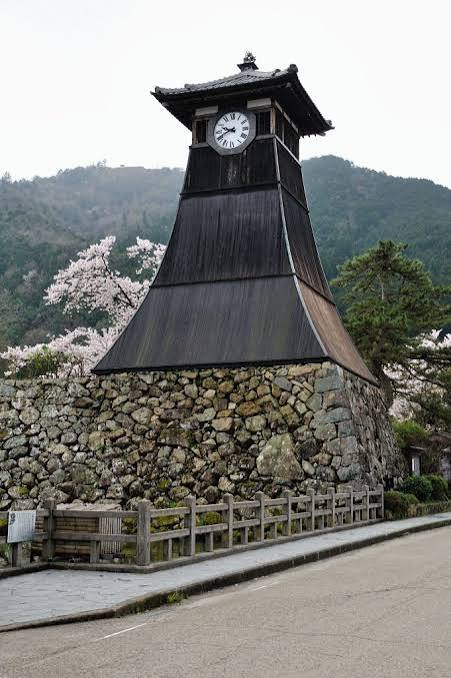
Izushi's most recognizable landmark is Shinkoro, a wooden tower built in 1871 beside the former castle gate to sound a drum announcing the hour to samurai on duty. In 1881 a local doctor donated a large clock, turning the drum tower into one of Japan's oldest surviving clock towers — a structure whose very history, drum first and clock later, mirrors the layered nature of the town itself.
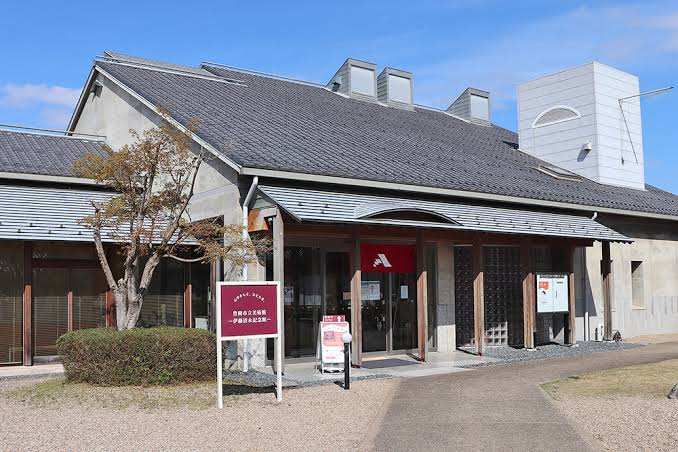
Also notable are the pseudo-Western style former Takara Elementary School building, built soon after the Meiji education reforms, and the Toyooka City Museum of Art (Ito Kiyonaga Memorial Museum), dedicated to the Izushi-born Western-style painter Ito Kiyonaga, celebrated for his nudes.
Timeline
Yamana rule over the region ends with Hideyoshi's Tajima campaign.
Koide Yoshihide lays out the castle town's street plan.
Soba artisans reportedly accompany him from Ueda domain.
Originally a drum tower marking the hours.
Most buildings burn, but the old street plan is preserved in rebuilding.
A donated clock turns the drum tower into a landmark clock tower.
Izushi is named an Important Preservation District.
In pictures