In pictures
Two townscapes
Home / Historic Streets
A castle town and a spa town
The grid-planned castle town of Izushi and the willow-lined bathhouse streets of Kinosaki Onsen. Two townscapes with almost nothing in common, both preserved in the same city.
"The Little Kyoto of Tajima"
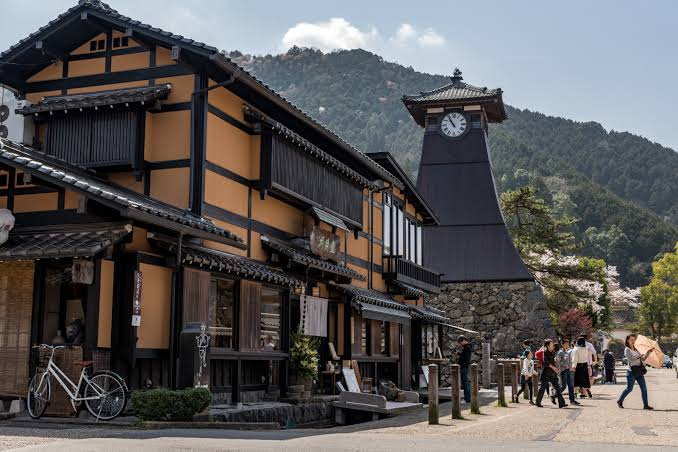
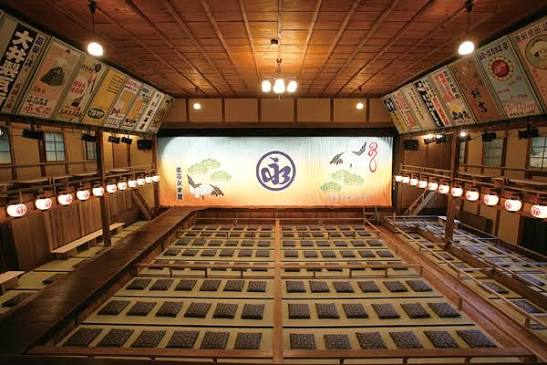
Izushi's streets follow an 1810 map almost exactly, overlaid with buildings largely rebuilt after the 1876 fire — a distinctive layering of an early-modern street grid and Meiji-era architecture. Walking the grid, you pass the Shinkoro clock tower, a former chief retainer's residence, the old Izushi county office, and the Eirakukan kabuki theatre, all coexisting within the same historic layout.
The district earned Hyogo Prefecture landscape designation in 1987 and national Important Preservation District status in 2007. Its nickname, "Little Kyoto of Tajima," reflects this deliberate castle-town planning, with temples, samurai residences and merchant quarters clearly separated.
A hot-spring town said to be 1,300 years old
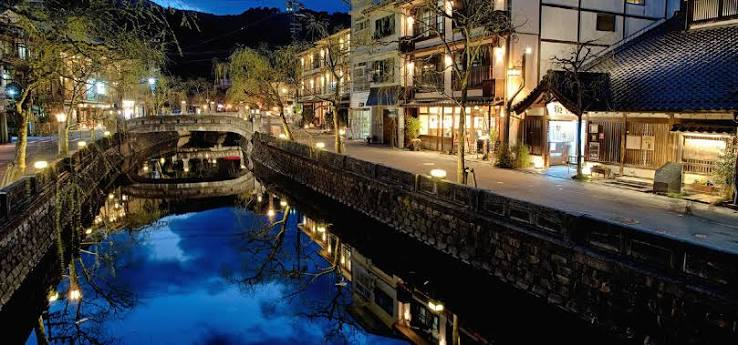
Kinosaki Onsen claims 1,300 years of history, with a founding legend attributed to the priest Dochi Shonin. Its defining feature is soto-yu meguri — guests in yukata strolling between the town's public bathhouses, since ryokan traditionally kept little or no private bathing, sending guests out into the streets instead. This turned the streets connecting the bathhouses into the resort's true centerpiece.
Those streets are lined with willow trees along the Otani River, crossed by an arched bridge, flanked by lattice-fronted inns — a scene lit by lanterns at night and among the most photographed in Japan's hot-spring towns.
Two different logics
Where Izushi's layout follows the logic of domain administration, Kinosaki's grew from the logic of a spa town centered on movement between bathhouses. That two such different townscapes coexist within a short distance of each other, within the same merged city, is itself characteristic of the Toyooka formed from five former towns.
In pictures